Home » About Us
About Us
Islamic Services for the Deaf and Hard of Hearing (ISDHH) is a 501(c)(3) non-profit organization as well as a community that promotes and empowers Leaders for the deaf through leadership, education advocacy, determination, excellence and servitude.
ISDHH was established in 2015 as a Non-Profit organization to advocate and empower the Muslim deaf community, and facilitate their understanding of Islam and their integration within the Muslim community. Due to lack of understanding of the needs of the deaf both intellectually and spiritually, they are always excluded from the learning process including Jummah Khutbah and religious education by Muslim scholars, or even a Du’a in Ramadan which made deaf Muslims feel disenfranchised and not cared for by their brothers and sisters in faith. Due to lack of resources, deaf Muslims have minimal to no knowledge of what the Holy Qur’an contains or what the different narrations of the Prophet Muhammad (PBUH) teach us. They are very eager to learn Islam and they need and want to feel inclusive in our hearing Muslim community.
Our Accomplishments
American Sign Language Classes beginner & advanced
National Theatre of the Deaf (NTD) performances in 2015 and 2016
ASL Interpreters for Jummah Khutba at VRIC and ICI
Educational project to display Prophets' stories in ASL to teach Deaf Muslims
Through our matrimonial services, we have 6 successful deaf marriages
We have 14 deaf Shahadah
Meet Our Team
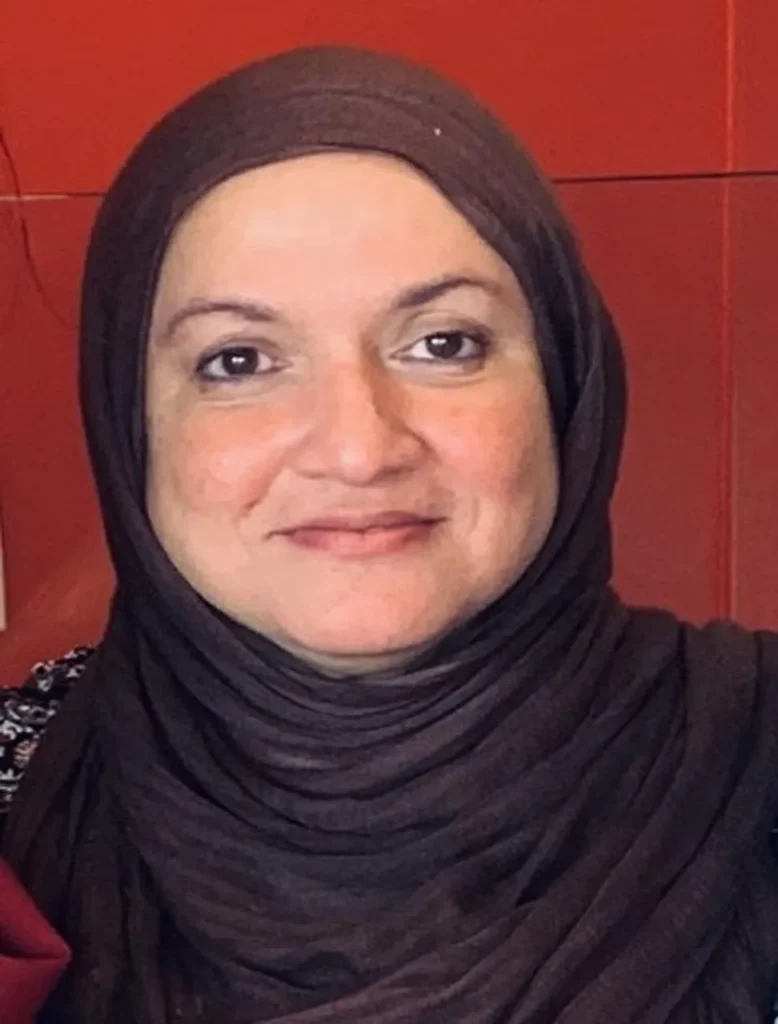
Rahma Rebecca Hossain
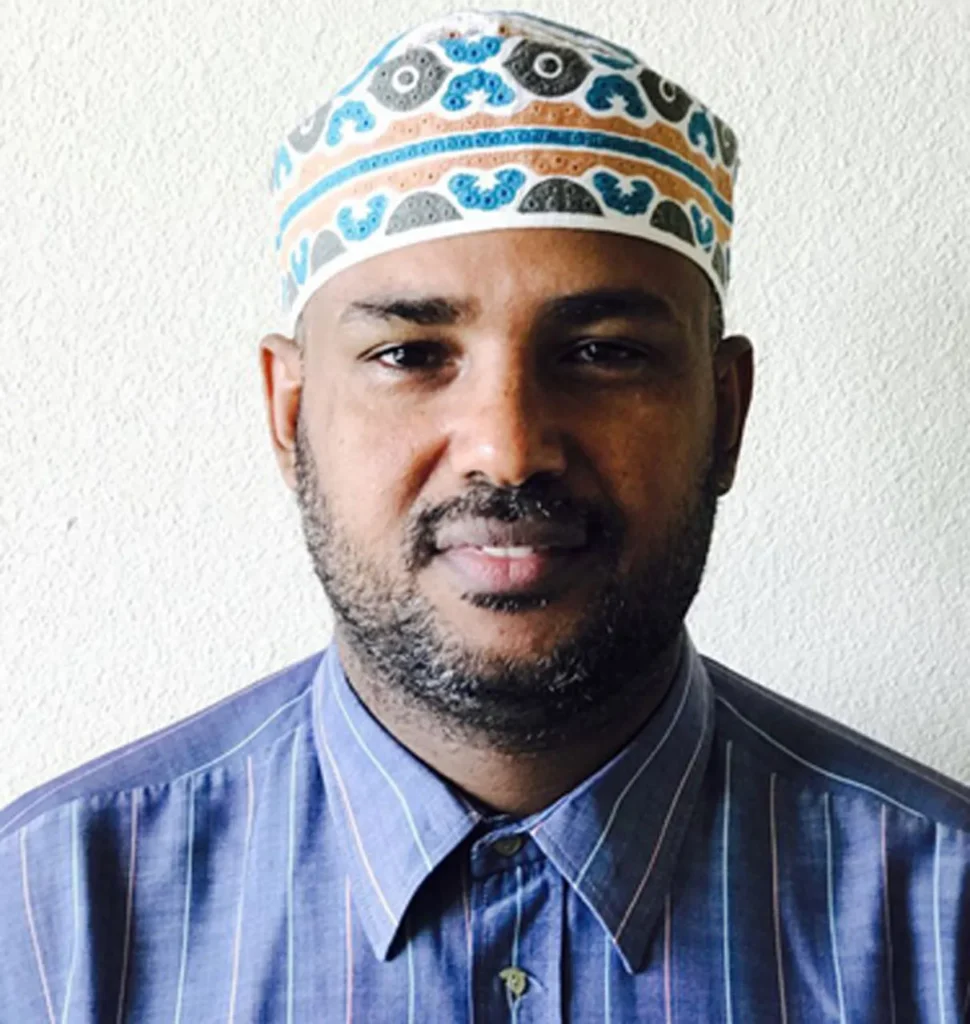
Khadar Omar
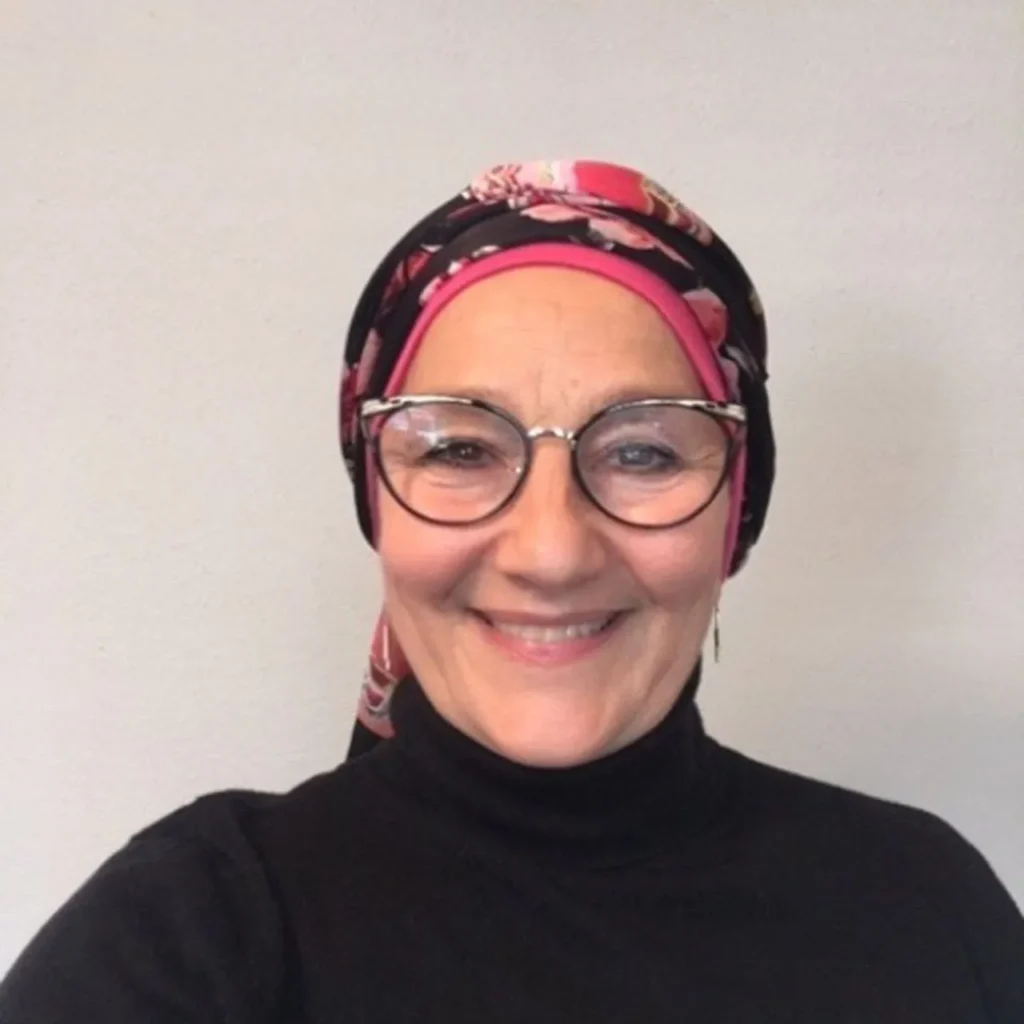
Sandra Labadia, LCSW - S
Khadar Omar
Khadar hails from Somalia and brings a diverse range of skills and experiences. From working as a fisherman and shoemaker to serving as a marketing salesman, his journey reflects resilience and adaptability. Today, he dedicates his talents to teaching American Sign Language (ASL) to Deaf refugees in the Dallas Metroplex. We are proud to have him as a valued member of our team.
American Sign Language
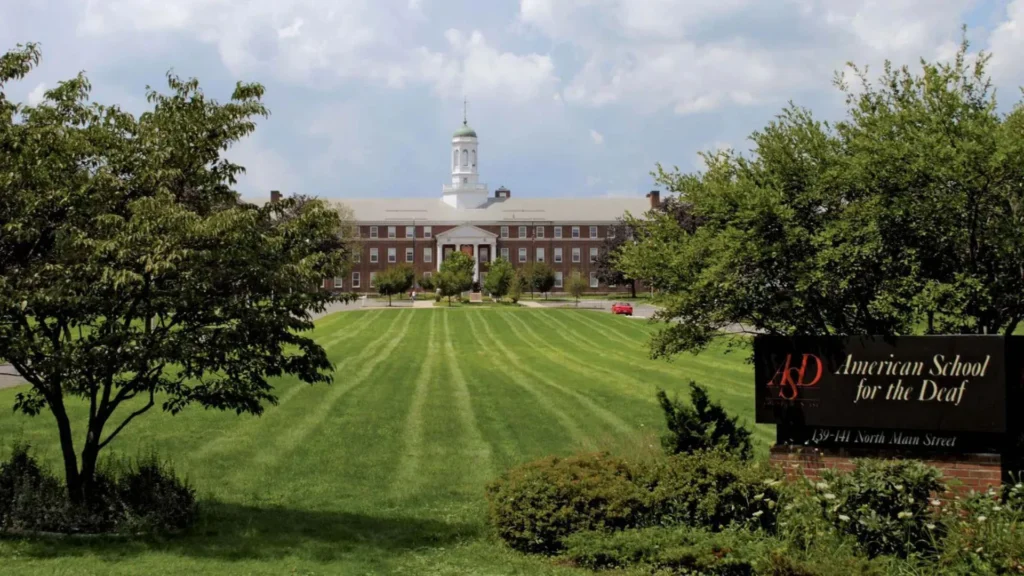
American Sign Language (ASL) is the predominant sign language of deaf communities in the United States. ASL originated in the early 19th century in the American School for the Deaf (ASD) in Hartford, Connecticut, from a situation of language contact. Since then, ASL use has propagated widely via schools for the deaf and deaf community organizations. Despite its wide use, no accurate count of ASL users has been taken, though reliable estimates for American ASL users range from 250,000 to 500,000 persons, including a number of children of deaf adults.
History of American Sign Language Early in the 1800s, there were only a few thousand deaf Americans. No standard signed language existed at this time, but various signing systems were created in the deaf communities. These sign systems are now known as Old American Sign Language. The American Sign Language of today is actually related to this language.
American Sign Language
American Sign Language (ASL) is the predominant sign language of deaf communities in the United States. ASL originated in the early 19th century in the American School for the Deaf (ASD) in Hartford, Connecticut, from a situation of language contact. Since then, ASL use has propagated widely via schools for the deaf and deaf community organizations. Despite its wide use, no accurate count of ASL users has been taken, though reliable estimates for American ASL users range from 250,000 to 500,000 persons, including a number of children of deaf adults.
History of American Sign Language Early in the 1800s, there were only a few thousand deaf Americans. No standard signed language existed at this time, but various signing systems were created in the deaf communities. These sign systems are now known as Old American Sign Language. The American Sign Language of today is actually related to this language.
History of American Sign Language
Mid-1700s – early 1800s
Early Roots
Local sign languages, such as Martha’s Vineyard Sign Language and Plains Indian Sign Language, flourish in various communities across North America.
1815
The Search for Education
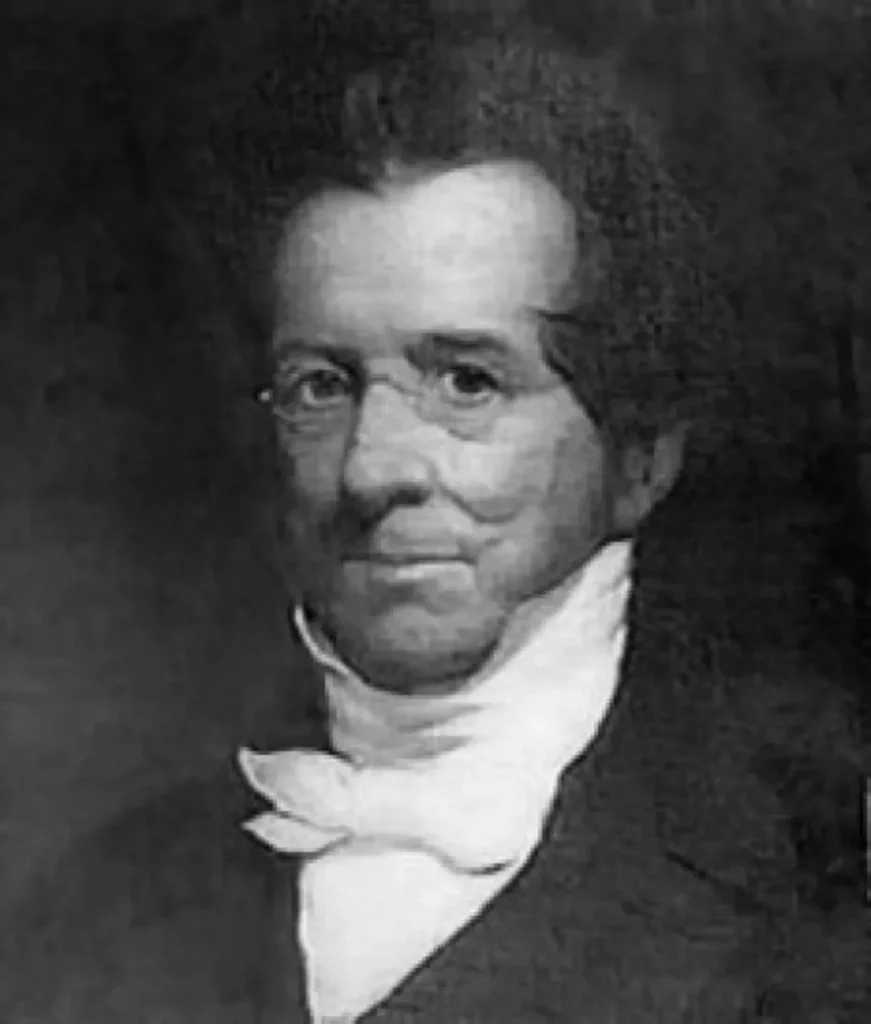
Thomas Hopkins Gallaudet travels to Europe to find methods for educating his deaf neighbor, Alice Cogswell.
April 15, 1817
The American School for the Deaf (ASD) Founded
Gallaudet and Laurent Clerc open the “American Asylum for the Education and Instruction of Deaf and Dumb Persons” (now ASD) in Hartford, CT. This is the first permanent school for the deaf in the U.S. and the birthplace of ASL.
Late 1800s
The Rise of BASL
Due to segregation in the American school system, Black American Sign Language (BASL) begins to develop as a distinct and expressive dialect within Black Deaf communities.
1864
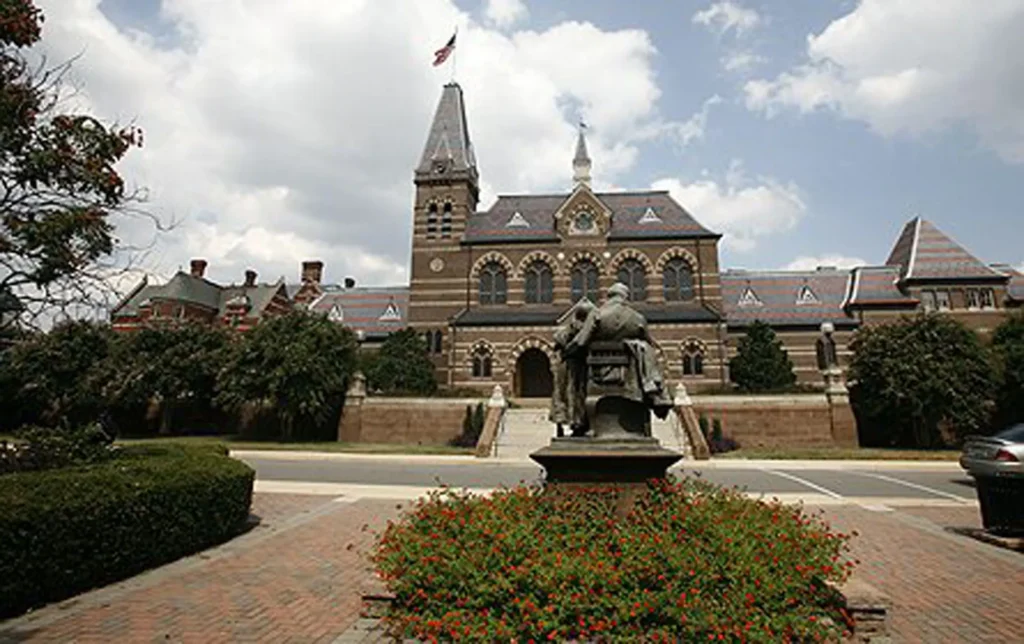
Gallaudet University Founded
President Abraham Lincoln signs the charter for the first college for the deaf, now known as Gallaudet University.
1880
The Milan Conference
An international meeting of educators declares “oralism” (speech and lip-reading) superior to signing. This leads to a dark age for ASL, where it is banned in many schools for decades.
1960
Linguistic Recognition
Researcher William Stokoe publishes work proving ASL is a legitimate, natural language with its own complex grammar, sparking a resurgence in its use and study.
1988
“Deaf President Now” Movement
Students at Gallaudet University protest for a Deaf president, a landmark event for Deaf Civil Rights and the cultural status of ASL.
Present Day
Modern Status
ASL is recognized as one of the most used languages in the U.S., recognized as the cornerstone of Deaf culture, and widely taught in schools and universities.